SPONSORED RESEARCH: Implementation and Dissemination of Tools to Harness CGM Data to Accelerate Adoption of Population Health in T1D
April 1, 2026
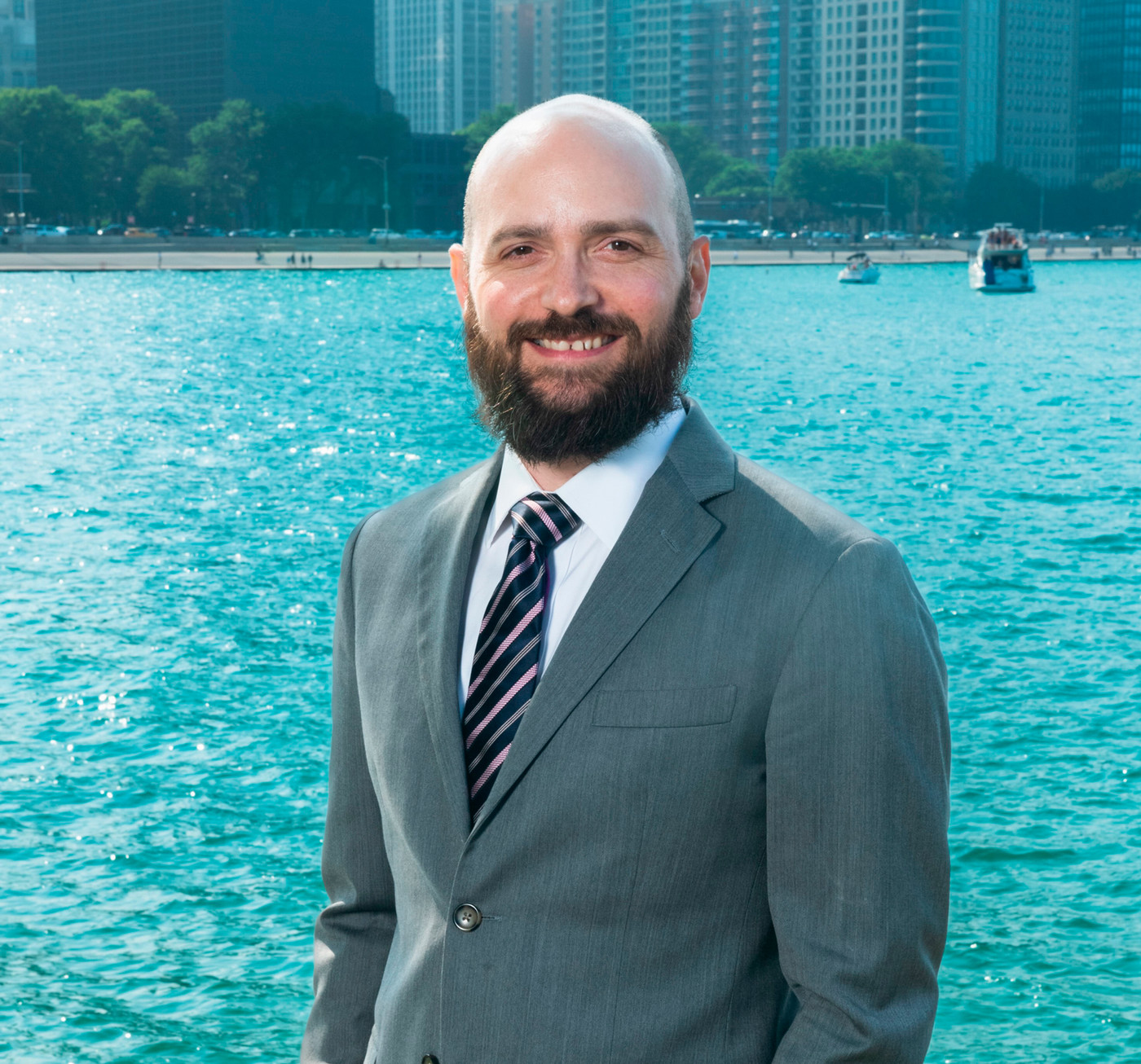
Pictured Above: Andrew Berry, PhD
Read a Q&A Below
Andrew Berry, PhD, Assistant Professor at Northwestern University Department of Medical Social Sciences became Northwestern’s site principal investigator for the Rising T1DE Alliance, funded by The Leona M. and Harry B. Helmsley Charitable Trust. His role is to apply theory and methods from implementation science and human-centered design to implement an innovative population health tool for diabetes care. The project is led by principal investigators Juan Espinoza, MD (Chief Research Informatics Officer in Stanley Manne Children’s Research Institute at Ann and Robert H. Lurie Children’s Hospital of Chicago) and Daniel Tilden, MD (Assistant Professor of Diabetes and Endocrinology at University of Kansas Medical Center).
What are the aims of the project?
The Rising T1DE Alliance (RTA) created the Diabetes Data Dock (D‑Data Dock)—a cloud‑based population‑health platform that harmonizes continuous‑glucose‑monitor (CGM), electronic health record, and other data streams—to give care teams actionable, real‑time insight into every person with type 1 diabetes. The current Helmsley‑funded project will deploy the D‑Data Dock at three diverse institutions in a staggered roll‑out over 24 months. Each site will run at least two rapid Plan–Do–Study–Act (PDSA) cycles that tailor data‑driven interventions to local workflows. To evaluate this project, we have developed an implementation evaluation plan that will provide rigorous, mixed‑methods evidence on how, why and under what conditions a cloud‑based, AI‑enabled population‑health platform can be embedded, optimized, and sustained in routine diabetes care, with the ultimate goal of improving outcomes for people with diabetes.
What are your next steps?
We have achieved technical deployment of the D-Data Dock at two sites, and recently initiated deployment at the third site. Now we are working closely with interest holders at each site to understand their context and co-design the workflows, educational materials, and other supports needed to put D-Data Dock to work in clinical care. We are rapidly learning how to tailor and apply formal theory and methods to be responsive to the priorities and context of each site.
What do you hope will come out of this funded research?
I am most excited about compiling lessons learned from these three implementation sites to facilitate widespread implementation of D-Data Dock in the future. We are creating an implementation toolkit that health care organizations can use to implement the D-Data Dock at scale. Implementation at scale will create a platform on which machine learning and workflow innovation can combine to enable proactive, tailored interventions for people with diabetes.